
Gamification
Gamification turns it into clear goals, real-time progress and meaningful feedback that help associates know what to do and stay motivated throughout the shift.
Performance data only matters when it drives action
Warehouses already have the data. The challenge is turning it into action. When goals, progress and feedback don’t reach associates in real time, they have less visibility into how they’re performing and managers have fewer opportunities to act while it still matters.
-
Goals aren’t aligned with the shift
Performance targets can stay buried in reports instead of becoming clear, visible goals associates can act on while work is happening.
-
Progress isn’t actionable
Knowing the number isn’t enough. Associates need to see where they stand, how they’re tracking and what to do next.
-
Coaching happens too late
When managers only see performance gaps after the shift, they miss opportunities to coach, recognize progress and course-correct in the moment.
-
Performance varies across the floor
Without consistent visibility, feedback and recognition, performance can vary across associates, teams and shifts.
-
100 %employee satisfaction in a post-rollout survey
CIN Coatings
-
11 %increase in overall productivity
City Home
-
5 %increase in an automated distribution center
CIN Coatings
How Gamification improves execution
Gamification turns measured performance into action on the warehouse floor. Tailored challenges translate operational objectives into clear targets associates can see and work toward, while real-time progress shows how they’re tracking. When goals are reached, timely recognition reinforces performance and keeps the cycle moving. The result is a continuous feedback loop that turns performance data into personalized challenges, keeps associates engaged and gives managers a practical tool to support measurable performance every day.

Close the gap between measuring and improving
Most warehouse systems show you past performance. Gamification helps associates and managers act on it while there’s still time to make a difference.
-
Make performance visible
Give associates a clear view of the goals that matter and how they’re tracking against them.
-
Start with relevant challenges
AI can suggest challenges based on operational performance. Managers stay in control of what goes live.
-
Adapt as priorities change
Adjust challenges as operational priorities evolve, without waiting for a new deployment.
-
Coach while it matters
Give managers the visibility to coach, recognize and reinforce performance in the moment.
Bring the performance feedback loop to the floor
Configure Gamification around the performance goals that matter most to your operation, then deliver the right visibility, feedback and recognition to the people who can act on them.
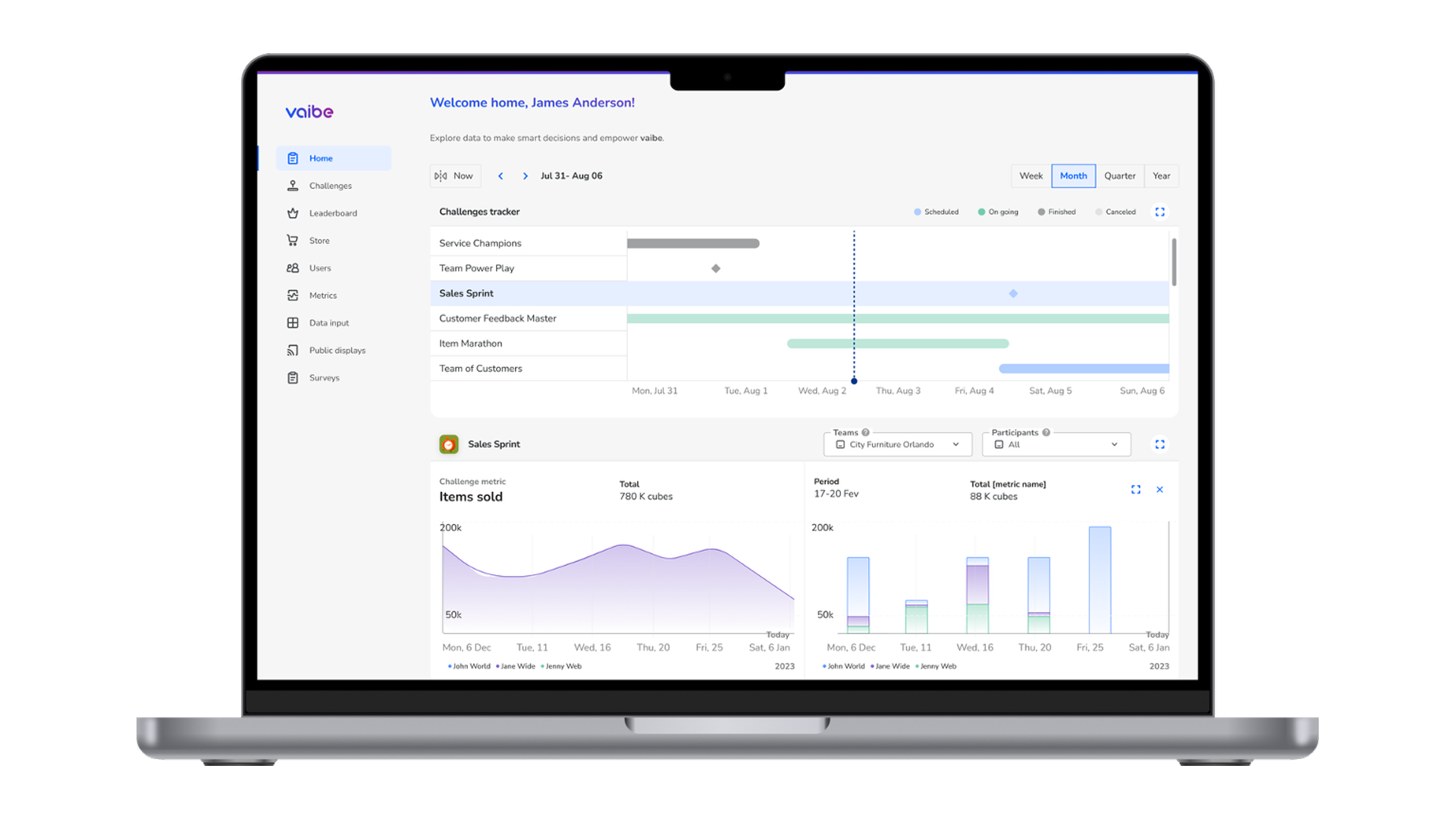
Managers
Gamification suggests challenges based on what is happening on the floor, while managers stay in control of what goes live and when.
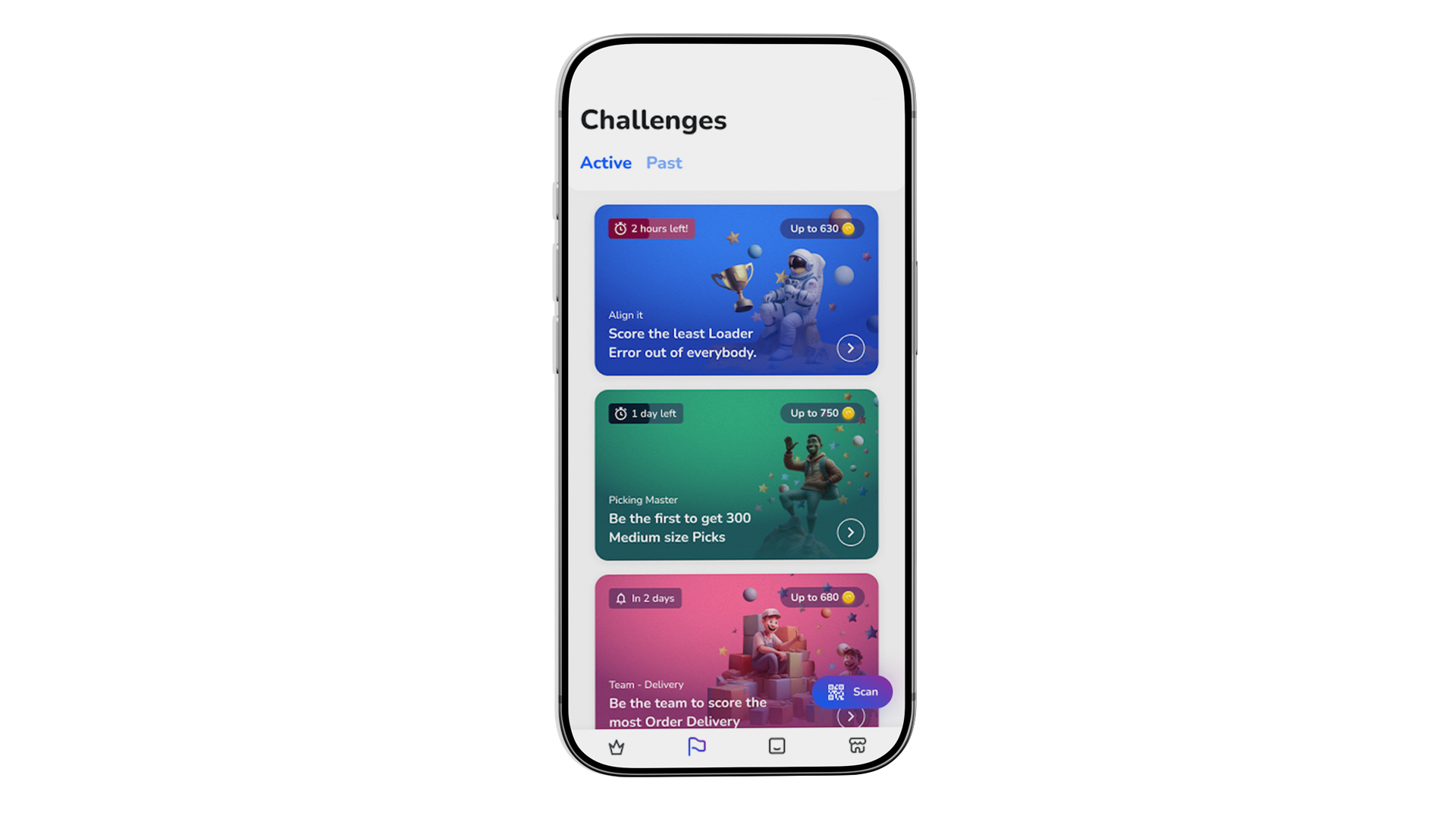
Associates
See goals, track progress, earn rewards and flag concerns to a manager, all in one place.
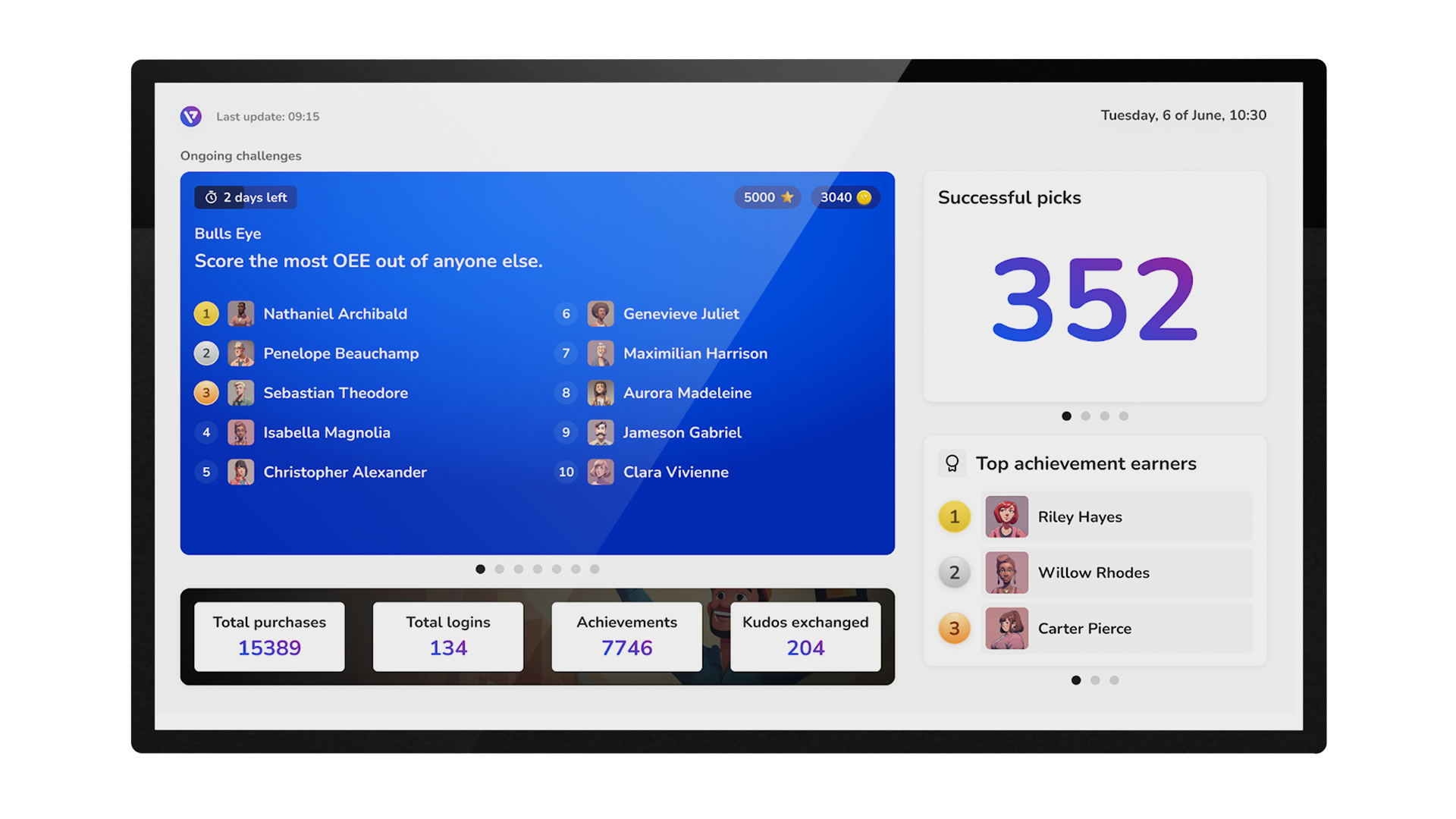
Public display
Put live leaderboards and challenge progress where everyone can see them, with no phone required.
Proven in real warehouse operations
See measurable results from teams using Gamification in live production environments.

Manufacturer achieves 13% productivity increase

Gamification boosts productivity by 11%
“The step we needed to take to reach a higher level of operational performance was to go deeper into our indicators, giving visibility to employees and teams of what the objectives were, and showing performance against those objectives in real time.”
Henrique Oliveira
Operational Efficiency Engineer, CIN
FAQs
Labor defines and measures performance against engineered standards. Gamification helps turn performance data into visible goals, feedback and recognition during the shift. They work well together, but Gamification does not require Labor.
No. Gamification can use performance data from Infios WM alone. When Labor is also in place, engineered standards can add another layer of insight to help shape goals and challenges.
Gamification can be configured to fit different workforces, operating environments and goals. Start with a focused use case, establish measurable goals and build from there as adoption grows.
Implementation can take as little as two weeks once the required data flow is connected, as demonstrated at City Home.
No. Gamification extends the performance data already captured in Infios WM. It does not replace the WMS and having a labor management system is not required.
Related Solutions

- Solution
Warehouse Management Systems

- Solution
Autonomous Mobile Robots

- Solution
Voice Solutions
